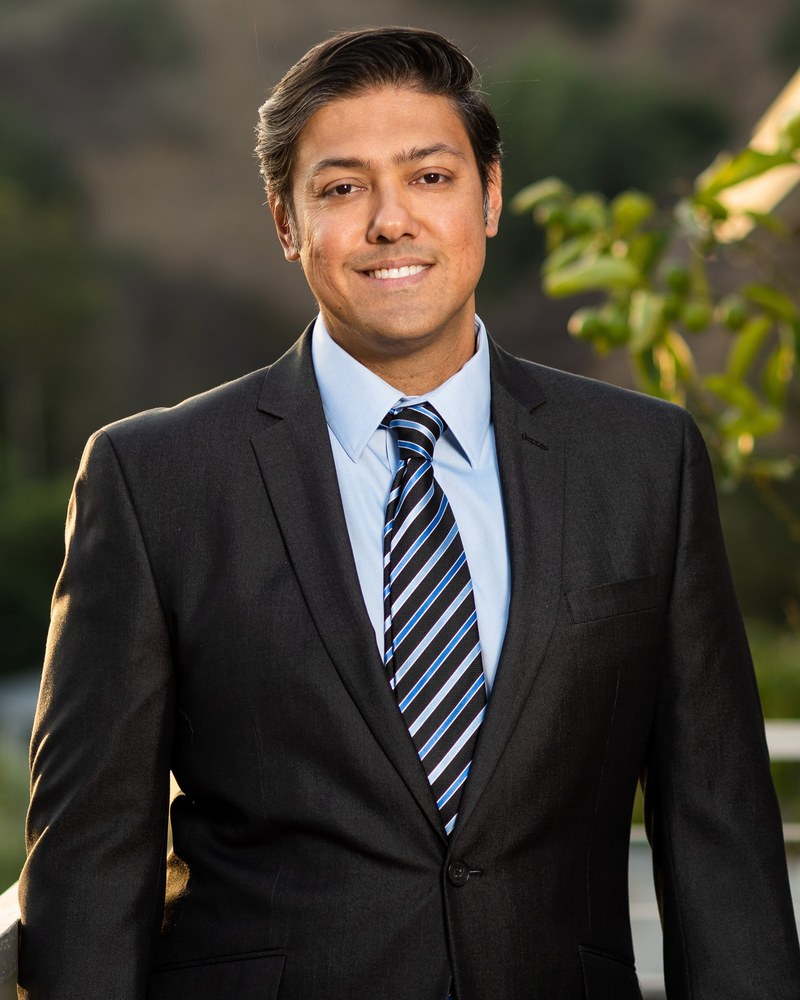
I started investing at 16. I became an advisor because of my father's death.
Hours before a planned visit to help my parents with retirement planning, my uncle called. My father was gone. Instead of stepping off the plane into their arms, I stepped into a financial crisis.
What I found
My father wasn't irresponsible — he had simply never made course adjustments. What I uncovered in the weeks that followed was a financial mess: a nearly worthless life insurance policy, a poorly structured tax plan, a scattered portfolio of stocks ranging from blue chips to penny stocks, a dozen bank accounts with nominal balances, and no will — which sent everything to probate.
In our grief, wealth management salespeople began calling my mother, offering "free advice" that came with high-fee funds attached. It took months to untangle. We were fortunate the assets were enough. Many families aren't.
That experience shaped everything about how I practice. I became an advisor not to accumulate assets under management, but because I know what's at stake when someone doesn't have a clear, well-maintained financial plan.
Background & credentials
Before finance, I spent years in technology and data analytics. I hold a Master of Science in Computer Science from the University of Southern California — which is why I approach portfolio construction and financial modeling the way an engineer would: with quantitative rigor, systematic frameworks, and a healthy skepticism of narratives that aren't backed by data.
I bought my first stock at age 16 — not on a tip, but because I wanted to understand how markets worked. That curiosity turned into a career. I hold an MBA in Finance and Real Estate from UCLA Anderson and have owned more than 20 investment properties across the United States over the past 18 years.
I use quantitative models, academic research, and factor-based investing frameworks to build portfolios — not gut instinct, not product quotas. Every recommendation is something I'd make for my own family. In fact, my personal retirement assets are invested in the same strategies I build for clients.
How I work
Fiduciary — always
I sign a fiduciary pledge for every client. Your interests are legally my first obligation. Not my firm's revenue, not a product manufacturer's incentive.
Direct communication
You have my direct line. Not a call center. Not a rotating associate. When you have a question about a vesting event or market volatility, I'm the one who answers.
Education-first
I want you to understand every recommendation. Whether it's Fed policy, RSU tax mechanics, or whether to pay off your mortgage — I'll explain it until it makes sense.
Why "Qubera"?
The name derives from Kubera — the Hindu deity of wealth, prosperity, and its guardianship. We chose it deliberately: wealth management isn't about chasing returns. It's about protecting and building what you've earned, with discipline and intention.